
Global Wealth Migration: Trends, Destinations and Implications for Premium International Healthcare Providers
- Written by: iPMI Global
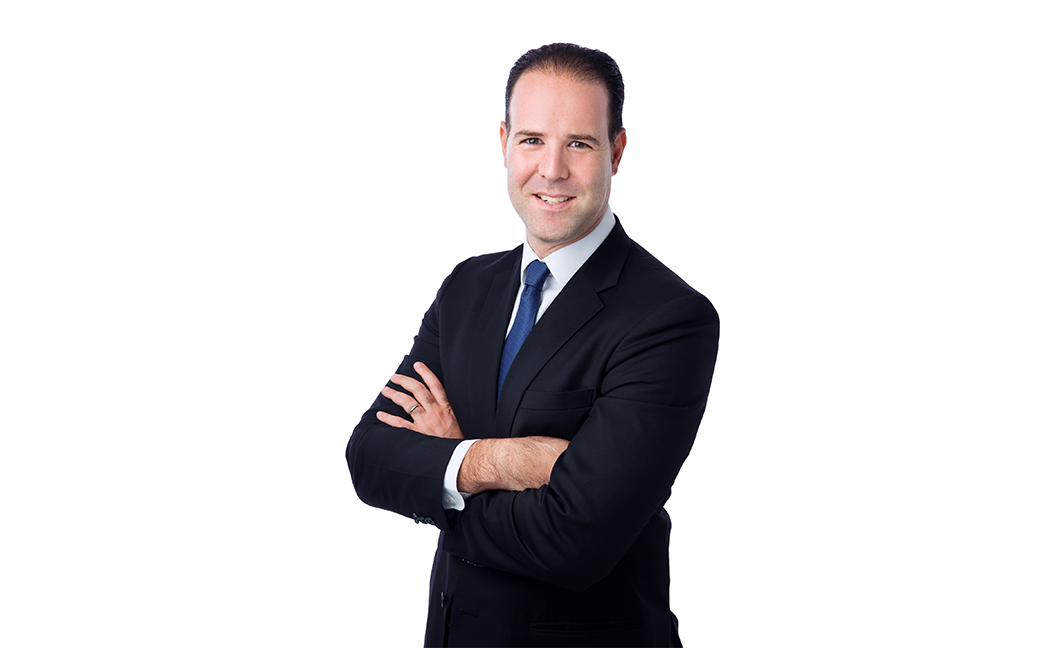
By Karim Idilby, Chief Growth Officer, AXA Global Healthcare
Throughout 2025, approximately 142,000 millionaires chose to relocate to another country, with projections suggesting this could rise to 165,000 in 2026, marking the largest voluntary transfer of private wealth in modern history. In particular, the UK saw its largest-ever exodus last year losing 16,500 millionaires, representing the steepest net loss of any country worldwide.
The UK provides a clear example of how domestic policy shifts and foreign incentives can reshape the mobility patterns of high-net-worth individuals (HNWIs). Between 2024 and 2025, the UK government abolished the non-domicile tax regime (April 2025), increased capital gains and inheritance tax rates (October 2024), and closed the Tier 1 Investor Visa route. For globally mobile individuals seeking to preserve wealth and optimise investment returns, these policy shifts have fundamentally altered the UK's attractiveness.
But the UK is not an isolated case. India is also projected to lose around 4,300 millionaires in 2025, driven by a combination of estate planning concerns, demand for international education, and quality-of-life considerations. Crucially, India's challenge extends beyond wealth migration. There is a consistent, well-documented outflow of skilled professional doctors, engineers, and technology workers pursuing opportunities that domestic markets have struggled to provide at scale. The Indian government has recognised this pattern and is now actively attempting to reverse it through targeted talent retention programmes.
China presents a similar, though more nuanced picture. Despite projecting around 7,800 millionaire departures in 2025, that figure actually represents the country’s lowest outflow in several years. This outflow has been stabilised in part by considerable growth in technology sectors in cities like Shenzhen and Hangzhou, alongside expanding private banking and healthcare industries. Where many countries are struggling to hold on to wealth, China's experience suggests that sustained domestic economic opportunity can slow the tide.
Elsewhere in Europe, the same pressures are beginning to register more broadly. France and Germany are both forecast to see net millionaire losses in 2025, driven by tax uncertainty and political instability, while enquiries for alternative residency and citizenship options among German HNWIs rose 114% between 2023 and 2024.
This pattern of simultaneous wealth and talent outflow is not unique to any single country. Across OECD-member nations, the movement of skilled professionals has accelerated sharply, with competition for talent intensifying as governments introduce increasingly targeted immigration frameworks to attract both high earners and qualified workers. The decisions driving this mobility - tax efficiency, career opportunity, quality of life - are the same whether someone is leaving London, Mumbai, or Frankfurt.
The question is where they're going. Countries such as the UAE have introduced targeted pull factors, including long-term "Golden Visa" residency programmes for investors and entrepreneurs, offering relocation into low-tax environments with business-friendly conditions. The approach has proven effective: the UAE attracted approximately 9,800 HNWIs in 2025, bringing in significant investable wealth.
As countries across the world experience both a loss of wealth and talent, others are increasingly adapting their immigration and labour policies to attract and retain wealthy individuals and skilled professionals.
In Europe, migration patterns are subtly evolving. Portugal and Spain continue to attract both retirees and remote workers through favourable tax schemes and digital nomad visas, while Switzerland maintains its appeal for wealth preservation through its lump-sum taxation system. Meanwhile, Italy’s flat-tax non-dom regime continues to draw HNWIs from across the continent, positioning southern Europe as a viable alternative to higher-tax northern economies.
In the Middle East, Saudi Arabia is increasingly positioning itself as a competitive alternative to the UAE. The country recorded an eight-fold increase in millionaire inflows in 2025, supported by tax-free income structures and the economic diversification agenda under Vision 2030, which is driving fresh demand across sectors including healthcare, infrastructure, education and financial services. For both HNWIs seeking investment opportunities and professionals pursuing career growth, Saudi Arabia represents a rapidly maturing market with substantial upside potential.
Beyond the Middle East, new visa frameworks are attracting both wealth and skilled professionals to previously overlooked markets. Malaysia overhauled its ‘MM2H’ (Malaysia My Second Home) programme in 2024, reducing financial thresholds and simplifying application processes. The results were immediate: the country saw an 84% increase in approvals year-on-year, with 1,300 applications approved in under twelve months, contributing approximately US$200 million to the domestic economy. This demonstrates how targeted policy reform can rapidly shift migration patterns, creating new demand for international health coverage in emerging markets.
This creates a self-reinforcing cycle, though different groups respond to different incentives. HNWIs seek low-tax environments and wealth preservation mechanisms. Young professionals pursue higher salaries, career progression, and quality of life. What countries are discovering is that policies attracting one group often benefit the other: HNWI investment fuels job creation, while skilled talent makes markets more attractive to investors - both responding to strategic positioning for global mobility.
Amid this shifting global landscape, demand for comprehensive health coverage remains constant. For HNWIs and skilled professionals pursuing career advancement or new business ventures abroad, seamless access to high-quality healthcare is essential to safeguarding both productivity and longevity. As migratory hubs diversify, the operating environment for premium international healthcare providers is becoming increasingly complex.
Whilst traditional hotspots like Australia, USA, Canada, and Spain remain dominant, providers can no longer rely solely on their offerings in countries with long-established access routes for healthcare. Coverage must now extend to Saudi Arabia, Malaysia, and other growing hubs where infrastructure and provider quality can vary.
The expectations of clients are also evolving in line with broader healthcare trends, which adds to the geographical challenge. Today's globally mobile individuals expect a personalised package which provides them with an efficient service that goes far beyond reactive treatment. They demand preventative care pathways, comprehensive mental health support, and wellbeing services that address the unique stresses of international living.
Digital integration, which was once an added perk, has now become essential too. Members expect 24/7 access through mobile apps, virtual consultations across time zones, and seamless claims processing regardless of location. For younger professionals especially, user experience matters as much as network quality.
Meeting these expectations requires strategic partnerships with local providers who understand regional healthcare systems and how quality standards are maintained. AXA Global Healthcare’s collaborations with Old Mutual and Executive Health Solutions in East Africa, and Daman in the UAE demonstrate this approach, combining local expertise with capabilities to best deliver against evolving modern standards.
As migration patterns continue to diversify, premium international healthcare providers must deliver comprehensive care across both established and emerging markets, serving everyone from HNWIs to young professionals building global careers.
